Hobbies: More Than Just Time-Pass
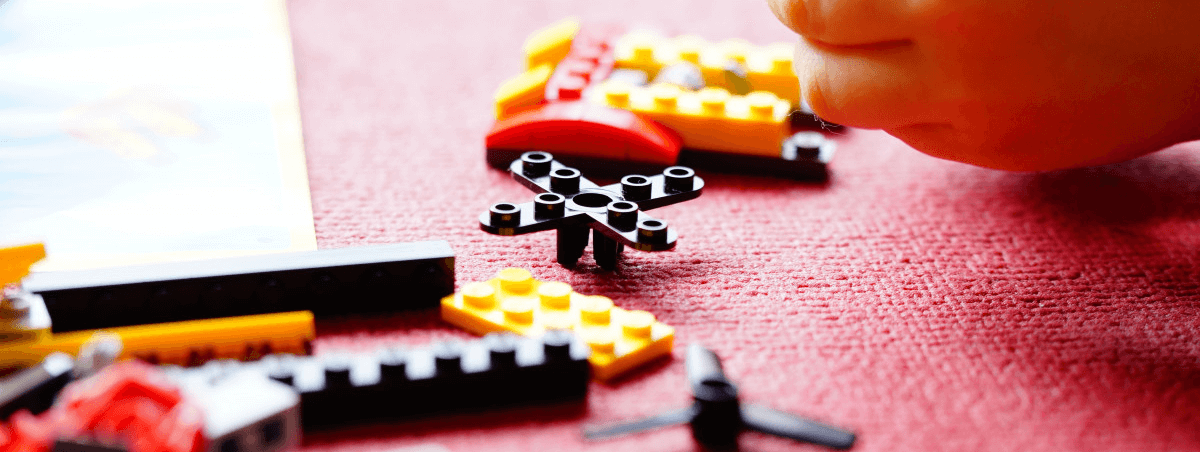
When we think of hobbies, we often imagine something kids do to fill their free time – drawing, playing games, building with LEGO, or practicing an instrument. But hobbies are far more powerful than just “keeping kids busy.”
At KidHoc, we believe hobbies play a crucial role in a child’s overall development. Here’s why:
1. Building Confidence and Self-Identity
When children engage in hobbies, they discover what they enjoy and what they’re naturally good at. This self-discovery helps shape their sense of identity, building confidence as they improve and see their own progress.
Imagine a child who learns to draw simple cartoons over a few weeks. Each sketch boosts their belief in their ability to learn and create. That confidence spreads into other areas, from schoolwork to social situations.
2. Developing Patience and Focus
In a world filled with instant gratification through screens, hobbies teach kids patience and focus. Whether solving a puzzle, practicing a dance routine, or learning to play chess, hobbies encourage concentration, attention to detail, and persistence to see a task through to completion.
3. Reducing Stress and Promoting Emotional Wellbeing
Hobbies give kids an outlet for self-expression and relaxation. They provide a break from academic pressures, helping children unwind and find joy in their day. Studies show that children engaged in hobbies report lower stress levels and improved mental wellbeing.
4. Nurturing Life Skills
Hobbies build transferable life skills such as creativity, problem-solving, critical thinking, and time management. For example, building models develops spatial understanding, while crafting improves fine motor skills and planning.
Why We Focus on Hobbies at KidHoc
Our mission at KidHoc is to help children grow with confidence, curiosity, and capability. Hobbies are an essential part of this journey because they prepare kids for life in ways that academic learning alone cannot.
So next time your child spends an hour on their favorite hobby, remember – they’re not just playing. They’re building skills and a mindset that will serve them for years to come.